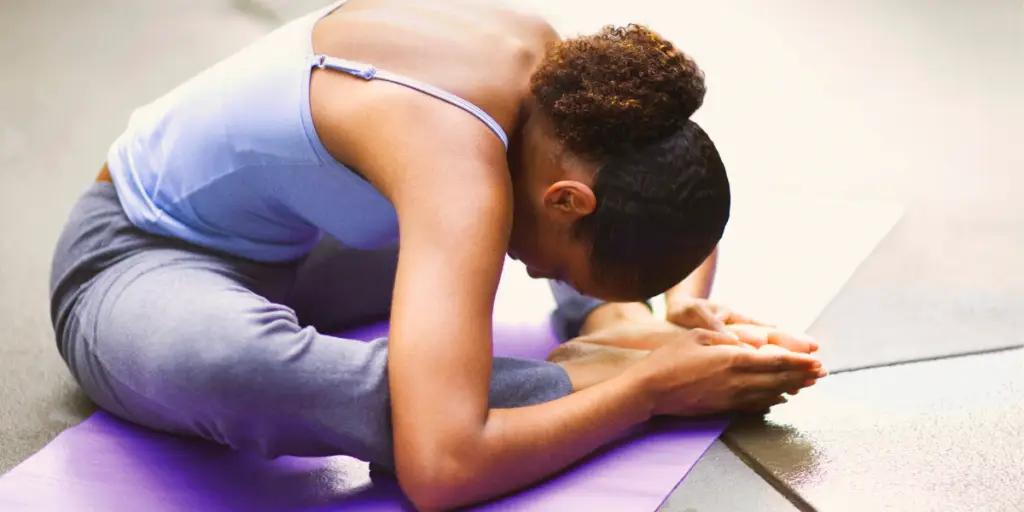
Trauma can leave a lasting impact that reaches far beyond memories. Many people experience ongoing stress, anxiety, muscle tension, disrupted sleep, or a constant feeling of being on edge long after a difficult event has passed. While counseling and other therapeutic approaches are important parts of recovery, many individuals also benefit from practices that reconnect the body and mind in gentle, meaningful ways.
Trauma-focused yoga has become an increasingly respected approach because it recognizes that emotional experiences are often stored within the body. Rather than focusing on fitness or perfect poses, this style of yoga encourages participants to notice physical sensations, breathing, and movement without judgment. Every posture is offered as a choice, helping individuals rebuild a sense of safety, confidence, and personal control.
People who have experienced trauma often feel disconnected from their bodies or overwhelmed by physical sensations. Trauma-focused yoga creates opportunities to reconnect with those sensations gradually and safely. Sessions emphasize comfort, awareness, and self-compassion instead of performance. Over time, participants may find themselves feeling more grounded, emotionally balanced, and capable of responding to stress in healthier ways.
When combined with professional mental health care, trauma-focused yoga can become an important part of a well-rounded healing journey, offering benefits for both emotional wellness and physical health.
Understanding Trauma-Focused Yoga
Trauma-focused yoga is a specialized practice designed to support individuals who have experienced traumatic events. Unlike traditional yoga classes that may emphasize flexibility, strength, or advanced poses, trauma-focused yoga places safety and personal choice at the center of every session.
Instructors receive training that helps them create environments where participants feel respected and in control. Rather than giving forceful commands, instructors often use invitational language such as, “If you would like, you might try raising your arms.” This approach reminds participants that they always can choose what feels right for their bodies.
The pace is typically slower, allowing individuals to notice their breathing, posture, and physical sensations without pressure. The goal is not achieving difficult poses but developing awareness and rebuilding trust in one’s own body.
Reconnecting the Mind and Body
One of trauma’s lasting effects is the feeling of disconnection between thoughts, emotions, and physical sensations. Many people learn to ignore or suppress bodily signals as a way of coping with overwhelming experiences.
Trauma-focused yoga gently encourages participants to become aware of their bodies again. Paying attention to breathing, muscle tension, balance, and movement helps rebuild this important connection. Individuals begin noticing how emotions may appear physically, such as tight shoulders during stress or shallow breathing during anxiety.
This growing awareness creates opportunities to respond with self-care instead of reacting automatically. Rather than feeling controlled by emotional responses, people can begin recognizing early signs of distress and practice calming techniques before stress becomes overwhelming.
Supporting the Nervous System
Trauma often keeps the nervous system in a prolonged state of alertness. Some individuals remain constantly anxious or hypervigilant, while others may feel emotionally numb or disconnected.
Gentle movement combined with controlled breathing can help regulate the nervous system. Slow, mindful breathing activates the body’s relaxation response, lowering heart rate and reducing physical signs of stress. As the body experiences repeated moments of safety during yoga practice, it gradually becomes easier to shift away from survival mode.
Although trauma-focused yoga is not a replacement for therapy, regular practice may help participants experience fewer physical symptoms of chronic stress, including muscle tension, headaches, and difficulty relaxing.
Building Confidence Through Choice
Traumatic experiences often involve a loss of control. Rebuilding a sense of personal choice is an important part of recovery.
Trauma-focused yoga places significant emphasis on allowing participants to make decisions throughout each session. Individuals choose whether to participate in a movement, adjust a posture, rest, or simply observe. There is no expectation to perform perfectly or keep up with others.
These small decisions may seem simple, but they help restore confidence over time. Repeated opportunities to make safe choices remind participants that they have control over their own bodies and personal boundaries. This growing confidence often extends beyond yoga sessions into everyday situations, including relationships, work, and personal decision-making.
Reducing Anxiety and Improving Emotional Regulation
Many individuals living with trauma experience intense emotional reactions that seem difficult to predict or manage. Trauma-focused yoga offers practical tools that support emotional regulation through mindfulness and breathing exercises.
Mindfulness encourages people to notice thoughts and feelings without immediately reacting to them. During yoga practice, participants may learn to observe discomfort, recognize emotions, and return their attention to steady breathing or gentle movement.
Over time, these skills can become valuable outside the yoga studio. During stressful situations, individuals may find themselves using breathing techniques or grounding exercises learned in class to regain a sense of calm.
Research has shown that mindfulness-based practices can help reduce symptoms of anxiety, depression, and post-traumatic stress while supporting overall emotional well-being.
Physical Benefits That Support Emotional Healing
The body often carries the physical effects of emotional trauma. Chronic muscle tension, poor posture, fatigue, headaches, digestive concerns, and sleep disturbances are common among individuals experiencing prolonged stress.
Trauma-focused yoga offers gentle physical activity that encourages relaxation without placing unnecessary strain on the body. Regular participation may improve flexibility, balance, circulation, and breathing while reducing physical tension.
Better sleep is another common benefit. As stress levels decrease and the nervous system becomes more regulated, many participants find it easier to fall asleep and experience more restful nights.
These physical improvements often contribute to emotional healing as well. Feeling stronger, sleeping better, and experiencing less discomfort can support a greater sense of overall well-being.
Combining Trauma-Focused Yoga With Professional Therapy
While trauma-focused yoga offers many valuable benefits, it works best as part of a comprehensive treatment plan rather than as a standalone solution.
Licensed mental health professionals help individuals process traumatic experiences, develop healthy coping skills, and address emotional challenges. Trauma-focused yoga complements this work by helping the body participate in the healing process.
Many therapists recommend combining counseling with body-centered practices because trauma affects both the brain and the body. Together, these approaches can support emotional growth, improved resilience, and healthier daily functioning.
Each person’s healing journey is unique. Some individuals benefit from individual therapy, others from group counseling, medication, mindfulness practices, or yoga. Working with qualified professionals allows treatment plans to reflect each person’s individual needs and comfort level.
Conclusion
Healing after trauma is rarely a straight path, and every person’s experience is different. Recovery often involves caring for both emotional and physical well-being, recognizing that the mind and body work together in powerful ways. Trauma-focused yoga provides a gentle, supportive practice that encourages awareness, safety, and self-compassion without pressure or judgment. Through mindful breathing, intentional movement, and personal choice, individuals can gradually rebuild trust in themselves while learning healthier ways to respond to stress. Although yoga is not a replacement for professional mental health treatment, it can become a valuable part of a complete healing plan that supports long-term wellness. If you are looking for compassionate guidance as you work toward recovery, the experienced professionals at Journey Inward Counseling can help you explore personalized treatment options that support both emotional healing and lasting well-being. Contact our team today to begin taking meaningful steps toward a calmer, healthier future.