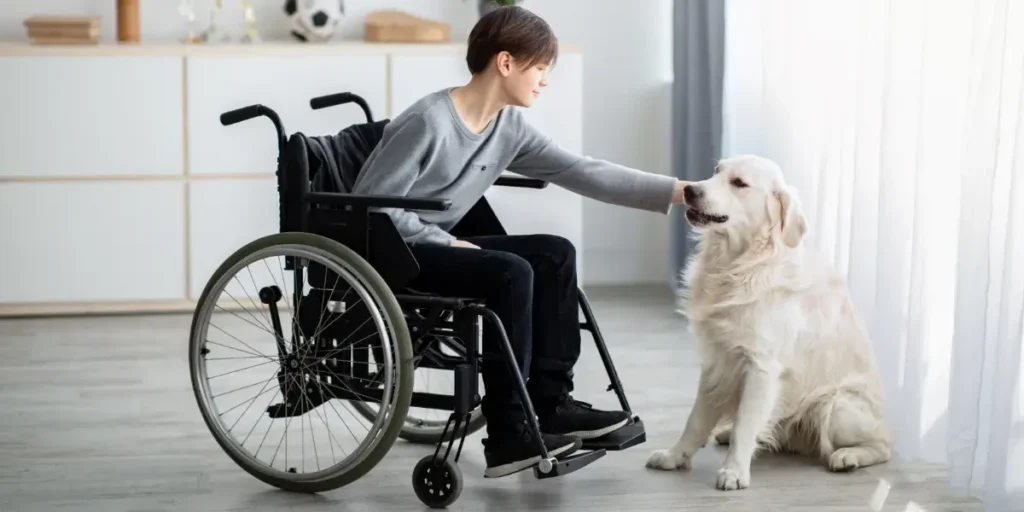
When people think about therapy, they often picture a quiet office, thoughtful conversations, and strategies for managing emotional challenges. While traditional talk therapy remains highly effective, mental health professionals continue to explore approaches that help clients feel more comfortable, connected, and supported during treatment. One approach that has gained significant recognition is animal-assisted psychotherapy.
Animals have a remarkable ability to provide comfort without judgment. Whether it is a gentle dog resting beside a client during a counseling session or another trained therapy animal offering companionship, these interactions can create a sense of safety that encourages emotional growth. For many individuals, animals help lower emotional barriers that may otherwise make it difficult to express feelings, discuss painful experiences, or build trust with a therapist.
Animal-assisted psychotherapy goes far beyond simply having a pet present in the room. It is a structured therapeutic approach guided by trained mental health professionals who intentionally incorporate animals into the treatment process. This method can benefit children, teens, adults, and older adults facing a wide range of emotional and psychological concerns.
As awareness of mental health continues to grow, more people are discovering how the human-animal connection can play a meaningful role in developing emotional resilience: the ability to adapt, recover, and move forward after life’s challenges. Understanding how animal-assisted psychotherapy works can help individuals recognize why these special relationships often become powerful tools for healing and personal growth.
What Is Animal-Assisted Psychotherapy?
Animal-assisted psychotherapy (AAP) is a goal-oriented therapeutic intervention that incorporates trained animals into counseling sessions. Unlike casual interactions with pets, AAP is carefully planned and supervised by licensed mental health professionals who use the animal as part of the therapeutic process.
The animal becomes an active participant in treatment, helping clients engage more fully in therapy. Sessions may involve petting, walking, observing, or interacting with the animal while discussing emotions, experiences, and treatment goals.
Common therapy animals include dogs, horses, and occasionally other species that have been specially trained for therapeutic settings. These animals are selected based on their temperament, ability to remain calm, and capacity to interact safely with diverse populations.
The primary goal is not simply comfort but creating opportunities for emotional learning, communication, and personal development.
How Animals Create a Sense of Emotional Safety
One of the most important aspects of successful therapy is establishing a sense of safety. Many individuals enter counseling carrying feelings of anxiety, fear, shame, or uncertainty. These emotions can make it difficult to open up and engage in meaningful conversations.
Therapy animals often help reduce these barriers. Their nonjudgmental presence can create a calming environment where clients feel accepted exactly as they are.
Research has shown that positive interactions with animals may contribute to reduced stress levels and feelings of relaxation. Petting or sitting near a therapy animal can help people feel more grounded during emotionally difficult discussions.
Children, in particular, may find it easier to share feelings while interacting with an animal. Adults who have experienced trauma may also feel more comfortable discussing painful memories when supported by the reassuring presence of a therapy animal.
This increased sense of safety often strengthens the therapeutic relationship and encourages deeper participation in treatment.
Building Trust and Strengthening Relationships
Trust forms the foundation of emotional resilience. Individuals who struggle with anxiety, depression, trauma, or attachment concerns may find it challenging to trust others.
Animals provide a unique opportunity to practice healthy relationship skills. They offer affection, consistency, and companionship without the expectations or social pressures that can accompany human relationships.
As clients build trust with a therapy animal, they often become more willing to engage with the therapist and participate in treatment activities. This process can be especially beneficial for individuals who have experienced betrayal, neglect, or difficult interpersonal relationships.
Learning to develop a bond with a therapy animal can help clients understand concepts such as empathy, patience, communication, and emotional connection. These skills can then be applied to relationships outside the therapy setting.
Over time, stronger interpersonal skills contribute to greater emotional resilience and improved social functioning.
Supporting Stress Management and Emotional Regulation
Life’s challenges can trigger strong emotional reactions that feel difficult to control. Emotional resilience involves recognizing these feelings and responding to them in healthy ways.
Animal-assisted psychotherapy helps clients develop emotional regulation skills through calming interactions and structured therapeutic exercises.
Spending time with a therapy animal can encourage mindfulness by drawing attention to the present moment. Clients may focus on the animal’s movements, breathing patterns, or behavior, helping them shift away from overwhelming thoughts and worries.
Many therapists also incorporate the animal into coping skills training. For example, clients may practice deep breathing while petting a dog or learn grounding techniques during interactions with the animal.
These experiences reinforce practical emotional management strategies that can be used outside therapy when stress arises.
As clients become more confident in their ability to manage emotions, they often feel better equipped to handle future challenges.
Helping Children and Adolescents Develop Resilience
Children and teenagers often experience emotions differently from adults. They may struggle to express feelings verbally or feel intimidated in traditional therapy settings.
Animal-assisted psychotherapy can create a more engaging and approachable environment for young clients. Therapy animals often serve as comforting companions that encourage participation and communication.
Children may project feelings onto the animal, making it easier to discuss difficult emotions. For example, a child might describe how they think the dog feels, indirectly expressing their own emotional experiences.
Therapy animals can also help teach responsibility, patience, confidence, and problem-solving skills. These lessons contribute to healthy emotional development and resilience throughout adolescence and adulthood.
For youth experiencing anxiety, grief, trauma, or behavioral challenges, the presence of a therapy animal can provide reassurance while helping them build coping skills and emotional awareness.
Long-Term Benefits of the Human-Animal Connection
The relationship between humans and animals has long been associated with emotional well-being. In animal-assisted psychotherapy, this connection becomes a structured part of treatment designed to support lasting growth.
Clients often report feeling more motivated to attend sessions and participate actively when therapy animals are involved. Increased engagement can contribute to stronger therapeutic outcomes and greater consistency in treatment.
Over time, individuals may experience improvements in self-confidence, emotional awareness, stress management, and relationship skills. These qualities are essential components of emotional resilience.
Perhaps most importantly, therapy animals remind clients that connection, trust, and comfort can exist even during difficult periods of life. This realization can foster hope and encourage continued progress toward emotional wellness.
While animal-assisted psychotherapy is not a replacement for traditional therapeutic methods, it can serve as a valuable complement that helps many individuals achieve meaningful personal growth and healing.
Conclusion
Emotional resilience is not about avoiding hardship; it is about developing the ability to cope with challenges, recover from setbacks, and continue moving forward. Animal-assisted psychotherapy offers a unique pathway toward this growth by creating emotional safety, encouraging trust, supporting emotional regulation, and strengthening interpersonal skills. Through the powerful bond between humans and animals, individuals of all ages can discover new ways to process emotions, build confidence, and develop healthier responses to life’s difficulties. If you are interested in learning how animal-assisted psychotherapy may support your mental health journey, contact Journey Inward Counseling today to explore compassionate, personalized care designed to help you build lasting emotional resilience.